
Corporate Wellness Programs That Create Healthier, More Engaged Employees
A corporate wellness program can look successful on paper. The calendar is full, employees registered, attendance numbers are good, and everyone checked the box.
But what happens after the presentation ends?
That is where I think the real opportunity in workplace wellness begins.
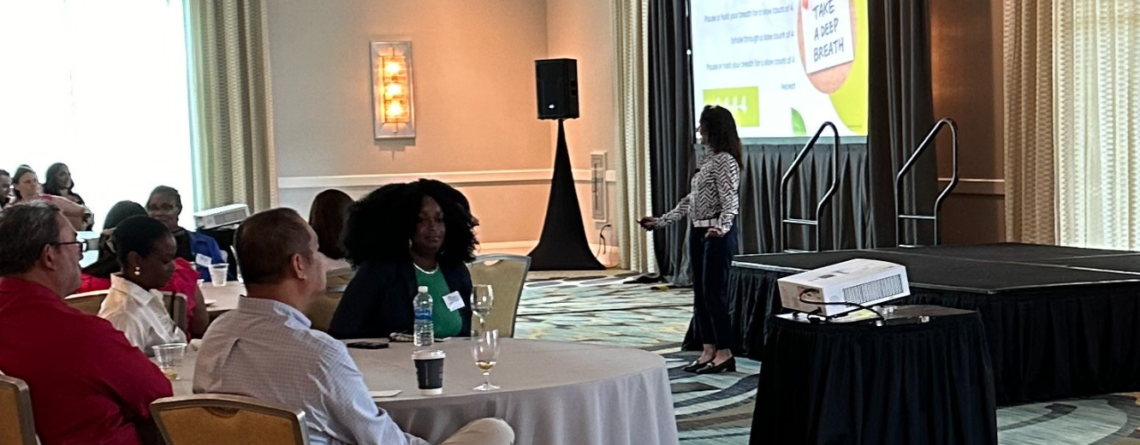
After more than 40 years in health, fitness, and wellness education—and decades of working directly with employees and organizations—I have learned that the most effective corporate wellness programs aren’t necessarily the ones with the most events. They are the ones that give employees something useful enough to remember, practical enough to try, and engaging enough to keep the conversation going.
I call this the difference between wellness programming and wellness experiences.
Start With What Employees Actually Need
Before choosing a wellness speaker or building an annual wellness calendar, find out what your employees are asking for.
It sounds simple, but it can be easy to build a calendar around available speakers, popular topics, or what has always been offered.
The CDC recommends that employers assess workplace health needs and employee interests before developing programs. That assessment can include employee surveys, conversations, focus groups, and other forms of input.
A simple survey might reveal that employees aren’t looking for another generic nutrition presentation. Maybe they want help with energy, sleep, stress, movement, healthy aging, or understanding what to eat when they’re working long hours.
Those answers should influence the programming.
The goal isn’t simply to offer wellness topics.
The goal is to offer the right wellness topics for the people you are trying to reach.
Make Wellness Practical
One of the biggest mistakes I see in wellness education is giving people plenty of information but very little idea what to do with it.
Employees don’t necessarily need another presentation filled with statistics. They need someone to explain how health information fits into Tuesday morning, a busy workday, a family dinner, a business trip, or a weekend when they have absolutely no desire to go to the gym.
That is why my approach to corporate wellness has always been practical.
If we’re talking about nutrition, let’s talk about what should actually be in the refrigerator.
If we’re talking about movement, let’s talk about what someone can do when they’ve been sitting at a desk for three hours.
If we’re talking about healthy aging, let’s talk about the habits that can be started now—not just what might happen decades from now.
If we’re talking about stress, let’s give employees something they can actually use before their next meeting.
Good wellness education should leave employees thinking, “I can do that.”
Engagement Doesn’t Always Happen During the Presentation
One of my favorite signs that a wellness program is working isn’t a standing ovation.
It’s a question.
An employee asks about protein. Or intermittent fasting. Or supplements. Or sugar. Or how to get a spouse to eat better. Or what to do about sitting all day.
Sometimes the questions keep coming long after the scheduled session is supposed to end.
I have worked with one company for about five years where employees regularly send questions after our programs. During the sessions themselves, there can be so many questions that we run 30 or 40 minutes beyond the original schedule.
To me, those questions are valuable.
They tell me employees aren’t just hearing information. They’re thinking about how it applies to their lives.
That is engagement.
Give Employees a Familiar Wellness Resource
There is also something valuable about continuity.
Organizations often bring in a different expert for every wellness topic. There is certainly a place for variety, but I have seen what happens when employees also have a familiar wellness educator they see repeatedly.
Over time, the relationship changes.
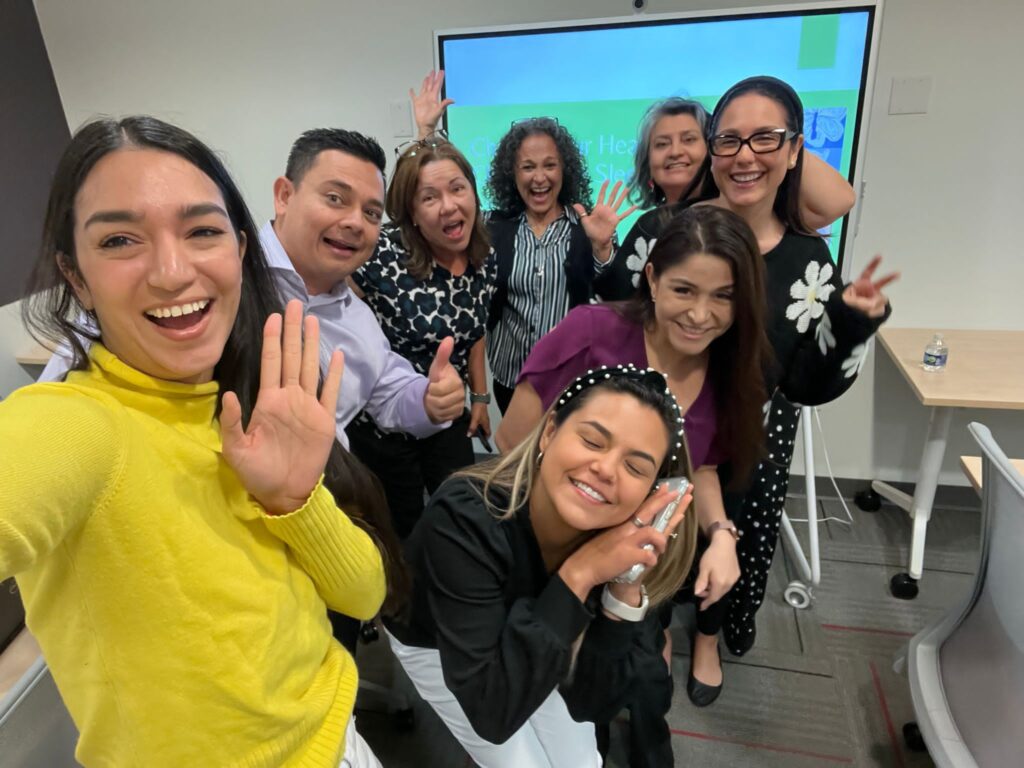
Employees become more comfortable asking questions. The educator learns the types of challenges employees are facing. Employees know they can come back with a question from a previous program.
Sometimes there is even a little unofficial accountability.
An employee might think, I told her last time I was going to start walking. I guess I better have an update.
That kind of continuity is difficult to create in a one-time event.
And it doesn’t mean an organization needs to use the same speaker for everything. It means there can be value in having a consistent wellness resource employees recognize and trust.
Sometimes the Most Valuable Wellness Program Is One-on-One
Group education is powerful because it reaches many employees at once.
But not every employee is comfortable asking a personal health question in front of 40 coworkers.
That’s where individualized support can make a difference.
Health coaching can give employees a private place to talk about their goals, ask questions, sort through conflicting information, and figure out what is realistic for them.
I’ve seen employees arrive for a short coaching conversation thinking they simply want to talk about exercise, only to discover that their real challenge is sleep, stress, nutrition, or trying to balance their own health goals with family responsibilities.
Sometimes they don’t need a complicated program.
They need someone to listen, answer the questions they are afraid to ask in a group, and help them identify their next step.
That is one reason I include health coaching as part of my corporate wellness work, both virtually and in person.
Don’t Underestimate the Power of Follow-Up
A wellness presentation shouldn’t necessarily be the finish line.
It can be the beginning.
A short follow-up session, employee office hours, Q&A opportunity, small-group conversation, or individual coaching session can give employees somewhere to take what they learned.
The CDC’s workplace health model emphasizes not only implementing health promotion activities but also evaluating programs and using what is learned to improve them over time.
That idea of continuity is important.
Consider what happens when an employee attends a nutrition presentation and then has an opportunity two weeks later to ask, “Okay, but what do I actually eat for breakfast?”
That’s where education becomes more useful.
Incentives Can Support the Experience—If They Make Sense
I’m not against wellness incentives.
In fact, I think a well-chosen incentive can be fun and can help attract attention.
But I like incentives that reinforce the subject.
If the wellness program is about walking or cardiovascular health, a fitness tracker makes sense.
If the program is about nutrition, a useful kitchen tool could reinforce the message.
A random prize may get someone to register. But an incentive connected to the wellness objective can continue the conversation after the event.
The prize should support the experience—not become the experience.
Think Beyond the Lunch & Learn
Lunch & Learns are a great way to introduce a topic, but corporate wellness doesn’t have to stop there.
An organization might combine:
Wellness keynote presentations
Interactive Lunch & Learns
Movement and Stretch & Learn sessions
Nutrition workshops
Stress and relaxation programs
Healthy aging education
Short employee coaching sessions
Virtual and in-person programming
Follow-up Q&A opportunities
Seasonal or health-calendar programming
The important question isn’t how many different programs you can fit into a year.
It’s whether the pieces work together.
A strong corporate wellness strategy can introduce an idea, give employees a practical way to use it, and then provide another opportunity to continue the conversation.
That is how a calendar starts becoming an experience.
Build Around the Whole Person
Health isn’t one-dimensional.
My wellness philosophy is built around four connected areas: Exercise & Movement, Food & Nutrition, Sleep & Rest, and Happiness.
An employee may attend a nutrition presentation because they want to lose weight, but discover that poor sleep is making everything harder.
Someone may want to exercise more but be dealing with chronic stress and a schedule that leaves little energy at the end of the day.
Another employee may know exactly what they should eat but struggle to make those choices when work becomes overwhelming.
Wellness programming should leave room for those connections.
The CDC describes comprehensive workplace health promotion as a combination of strategies that can include health education, supportive environments, organizational integration, and support for individual behavior change.
In real life, that means employees need more than information. They need opportunities to turn information into something they can actually use.
Measure More Than Attendance
Attendance is still worth tracking.
So are registration numbers, employee feedback, repeat participation, and other program metrics.
But I also encourage organizations to pay attention to the less obvious signs of engagement:
Are employees asking questions?
Are they requesting additional topics?
Are they returning for another session?
Are they telling you about something they changed?
Are employees asking for individual support?
Are they continuing conversations after the presentation?
Those may not fit neatly into a spreadsheet, but they tell you something important about the experience employees are having.
And sometimes the best feedback isn’t a survey response at all.
It’s an employee who walks up to you months later and says, “I tried what you talked about, and here’s what happened.”
What I Want Employees to Leave With
After decades of teaching wellness, I don’t expect every employee to walk away from a presentation and completely change their life.
That’s not realistic.
But if someone learns one thing they can use, asks one question they were afraid to ask, makes one healthier choice, or becomes curious enough to continue the conversation, the program has created an opportunity.
And sometimes that opportunity becomes much bigger than anyone expected.
That’s what happened with an employee named Yolanda.
I had been presenting virtual wellness programs for her organization for six months. When I finally came in person, we met for the first time.
She walked up to me with a notebook filled with notes from those virtual sessions.
She had lost 15 pounds. Her blood sugar had improved. Her cholesterol had improved.
She had taken what she learned and made it part of her life.
That is the kind of experience I want corporate wellness programs to create.
Not just another event on the calendar.
Not just another attendance number.
An experience that gives employees something practical, personal, and meaningful enough to carry with them long after the presentation ends.
That is the difference between offering wellness programs and creating corporate wellness experiences that employees actually engage with.
About Adita Lang
Adita Lang is a wellness keynote speaker, corporate wellness expert, health and longevity coach, and author with more than 40 years of experience in health, fitness, and workplace wellness. She works with organizations to make healthy habits practical, engaging, and sustainable through wellness education, interactive experiences, keynote presentations, and health coaching.
Planning Your Next Corporate Wellness Program?
Whether you’re building an annual wellness calendar or looking for a fresh way to engage employees, Adita Lang creates practical, interactive wellness experiences for workplaces—virtually and in person.








Leave a Reply