Effective employee wellness education teaches people how to apply health information in their own lives, not just what they should change. It starts where employees are, gives them one manageable next step, and builds practical skills like movement breaks, quick healthy meals, and stress strategies they can use at work and at home.
HR directors invest time and resources in employee wellness programs, but here’s an important question: Are employees simply attending wellness activities, or are they learning practical skills they can use to live healthier lives?An employee can attend a healthy eating presentation and still have no idea what to cook for dinner. Someone may go to the gym regularly without knowing how to exercise safely or effectively. And an employee managing a health condition may know what to avoid without understanding the bigger picture.The problem isn’t necessarily a lack of information. It’s that knowing what to do and knowing how to do it in your own life are two very different things.After decades of teaching health, fitness, and wellness, I’ve learned that effective education goes beyond explaining what people should change. It shows them how to make those changes practical, manageable, and relevant to everyday life.Key takeaways- Start with what people can actually do today, not an ideal they aren’t ready for.
- Five minutes of movement every hour adds up to 40 minutes across an eight-hour workday.
- Nutrition education should make dinner easier, with 20-minute meals and affordable ingredients.
- The workplace environment, including the snack cupboard, should match the wellness message.
- Wellness covers four connected areas: movement, nutrition, sleep and relaxation, and happiness.
How do you make wellness education practical?
One of the biggest mistakes we can make in wellness education is reaching for the stars before people are ready to leave the ground.Telling someone who never exercises to work out five days a week can feel overwhelming. Encouraging them to take a purposeful walk or try a few simple exercises gives them somewhere to begin.People have different levels of knowledge, motivation, time, and confidence. Some know what they need to change but struggle to get started. Others have followed the same routines for years without realizing there might be a better way.I once worked with an insurance company where presentations about smoking focused heavily on the health risks. Those risks matter, of course. But the presentations offered few examples of simple changes people could make in their daily lives.Knowing smoking is harmful is one thing. Knowing how to seek support, prepare for triggers, and navigate the challenges of quitting is another.The same applies to other health topics. Someone managing diabetes may know that sugar affects blood glucose but still need practical guidance on carbohydrates, portion sizes, meal composition, and other factors relevant to their individual management plan.Wellness education should bridge that gap. Teach people what matters, show them how to apply it, and give them a manageable next step.How can employees move more during the workday?
Consider an employee who spends eight hours sitting at a computer. I often encourage people to get up and move for five minutes every hour. That’s 40 minutes of movement across an eight-hour workday.Employees could take a brisk walk, use the stairs, do a few squats, or stretch beside their desks. These breaks interrupt prolonged sitting, may ease stiffness in the back, neck, and shoulders, and offer a welcome mental reset.And exercise doesn’t have to begin at a gym. Walking the dog with a little more pep in your step or tackling housework energetically also creates opportunities to move.A good wellness program helps employees discover options that suit their abilities and preferences rather than making fitness feel intimidating.What should nutrition education for employees include?
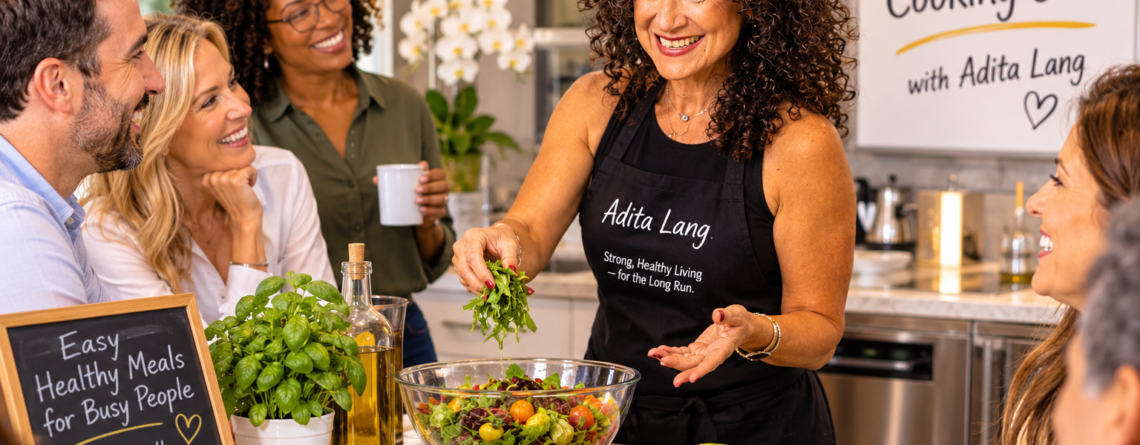
Telling employees to eat healthier is easy. Helping them figure out what to cook after a long day is much more useful.Some people are confident in the kitchen. Others have never learned to prepare much beyond a few familiar meals. Add family responsibilities, limited time, and a budget, and healthy eating can feel like another complicated project.I’m a big believer in 20-minute meals. With simple ingredients and a few practical shortcuts, employees can learn to prepare nutritious meals without spending the entire evening in the kitchen.Cooking classes can cover meal planning, organizing the kitchen, preparing ingredients ahead of time, and making the most of equipment people already own. And I have one important kitchen rule: the person who cooks doesn’t clean!Nutrition education should also reflect what people can realistically afford and find at their local grocery store. A healthy eating plan isn’t particularly helpful if it requires expensive specialty ingredients.Does your workplace environment match your wellness message?
I’ve visited workplaces where the complimentary snacks and drinks are primarily soda, sugary beverages, and chips.If a company is investing in employee wellness while routinely stocking the kitchen with choices that don’t support that goal, isn’t there an opportunity to do better?I’m not suggesting we ban soda or declare war on the snack cupboard. But companies could offer:- Sparkling water alongside soda
- Nuts or trail mix alongside chips
- Fruit when the budget allows
What areas should a comprehensive wellness program cover?
A comprehensive wellness program also addresses sleep and recovery, stress management, and happiness, including emotional well-being and social connection.These areas are connected. Chronic stress can interfere with sleep. Poor sleep can make it harder to concentrate and maintain healthy routines. And when someone is exhausted, preparing a nutritious meal or exercising may feel like one more task on an already overwhelming list.Practical wellness education can help employees develop skills across all four of my pillars of health:- Exercise & Movement: Simple exercises, stretching, and ways to interrupt long periods of sitting.
- Food & Nutrition: Realistic meal planning, cooking skills, and informed food choices.
- Sleep & Relaxation: Manageable routines, breathing techniques, and strategies for winding down.
- Happiness: Ways to support emotional well-being, enjoyment, and meaningful social connections.
How do you make wellness a benefit instead of another obligation?
Time is one of the biggest barriers to learning new habits. The U.S. Bureau of Labor Statistics reported that full-time employees worked an average of 8.5 hours on weekdays they worked in 2025. Add commuting, family responsibilities, and everything else life requires, and finding extra time for health education can be difficult.Bringing wellness into the workday makes learning more accessible. A short movement break, a practical cooking class, or a Lunch & Learn on stress or sleep can introduce ideas employees might not otherwise have time to explore.Research involving more than 32,000 employees found that participation in a workplace wellness program was associated with higher self-reported rates of regular exercise and active weight management. It’s a reminder that workplace programs can play a role in supporting healthier habits.But attendance alone doesn’t tell the whole story. In my article, Your Wellness Program Has Attendance. But Is It Creating Engagement?, I explore why meaningful participation matters. The opportunity is to give employees something useful, not simply another event to fit into their calendars.Make the advice useful, and the benefits reach further
Healthy living isn’t about changing everything overnight. It’s about understanding how daily choices affect how we feel and discovering practical ways to support our health over time.As wellness educators, we have a responsibility to make health information useful, not just accurate. Explain the why. Demonstrate the how. Give people manageable steps.For HR directors, that means looking beyond whether a wellness presentation took place. Did employees learn something they can use? Did they gain a skill they can practice at work and continue using at home?The best wellness advice isn’t necessarily the most sophisticated or impressive. It’s the advice that helps someone take the next step and makes that step feel possible.Planning your next corporate wellness program? Explore my Corporate Wellness Programs or book a free strategy session. Want help building these habits yourself? My 6-week Weight Loss Mastery program walks you through all four pillars at your own pace.About Adita LangAdita Lang is a corporate wellness speaker, health and longevity coach, and author based in South Florida, with more than 40 years of experience in health, fitness, and workplace wellness. Since 2012, she has worked with hundreds of companies, with audiences from 10 to 2,000+. She holds a BS in Holistic Nutrition and certifications from ACE, ACSM (Exercise is Medicine), and the Check Institute, and was recently featured in Voyage MIA.






Leave a Reply